

Finding Belonging in the Middle School Years
Think back to your middle school years. For many of us, they were some of the hardest years of growing up.
For many young people, middle school is where they first discover the meaning of words like clique and outsider. Friend groups become more defined. Children who once moved easily between different circles suddenly find themselves wondering where they fit. It's a season when self-consciousness grows, confidence can be fragile, and opinions about ourselves often become more deeply rooted.
Unfortunately, it comes at exactly the time when young people begin asking life's biggest questions: Who am I? Where do I belong? Am I enough?
That uncertainty is part of being a middle schooler. Beneath outward confidence—or quiet reserve—many are wondering where they fit. Some worry about making friends. Others question whether they'll be accepted. The insecurities may look different from one child to another, but the longing to belong is nearly universal.
With that in mind, imagine bringing together dozens of middle school students from across the state. They arrive from different towns and schools, bringing with them different family backgrounds, personalities, and life experiences. Some are outgoing. Others are painfully shy. Some seem completely at ease socially, while others struggle to start a conversation.
On paper, it sounds like a recipe for disaster.
Instead, last week at Community of Christ's Middle School Camp at Happy Valley in Santa Cruz, California, I witnessed something remarkable.
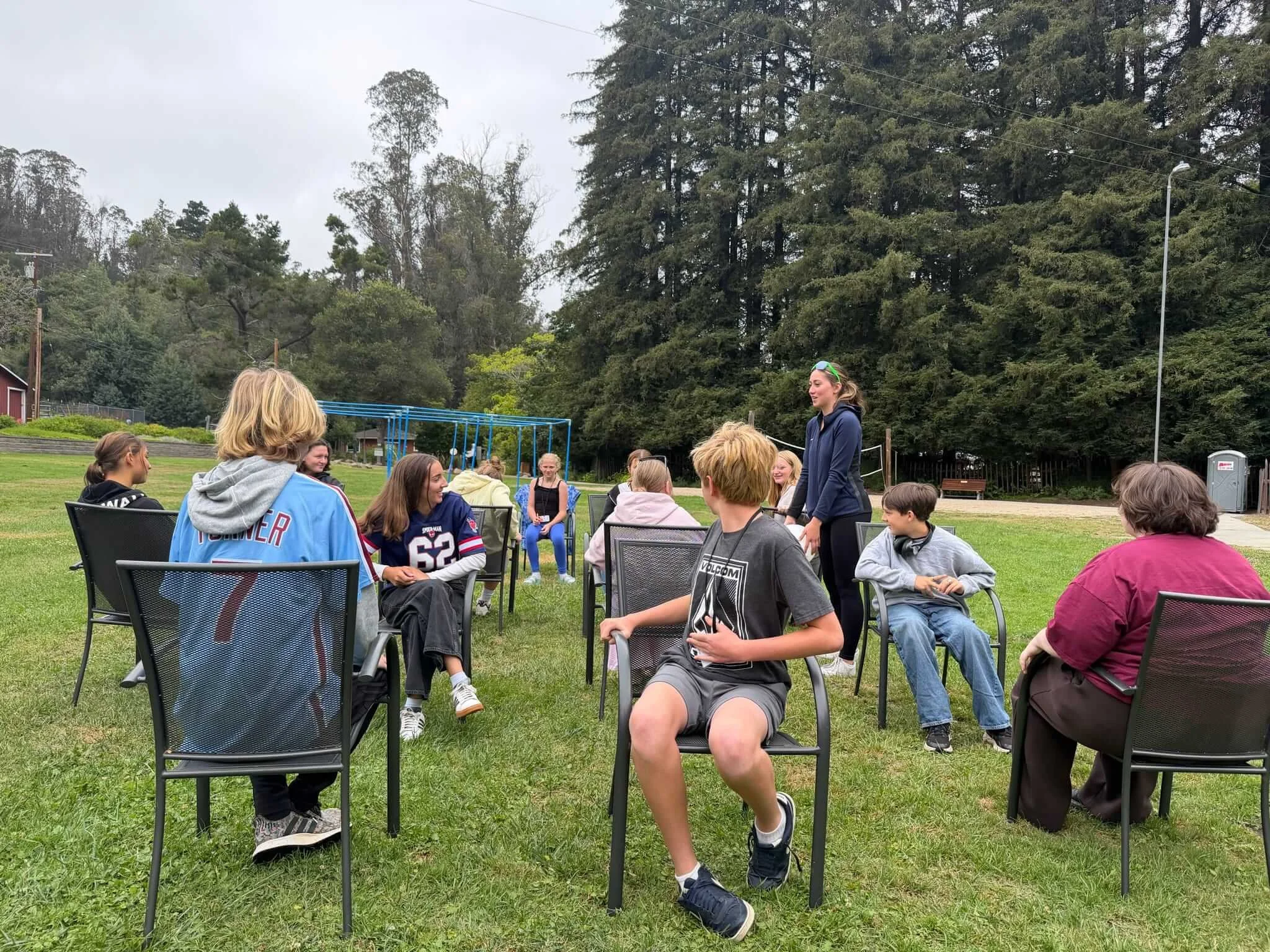
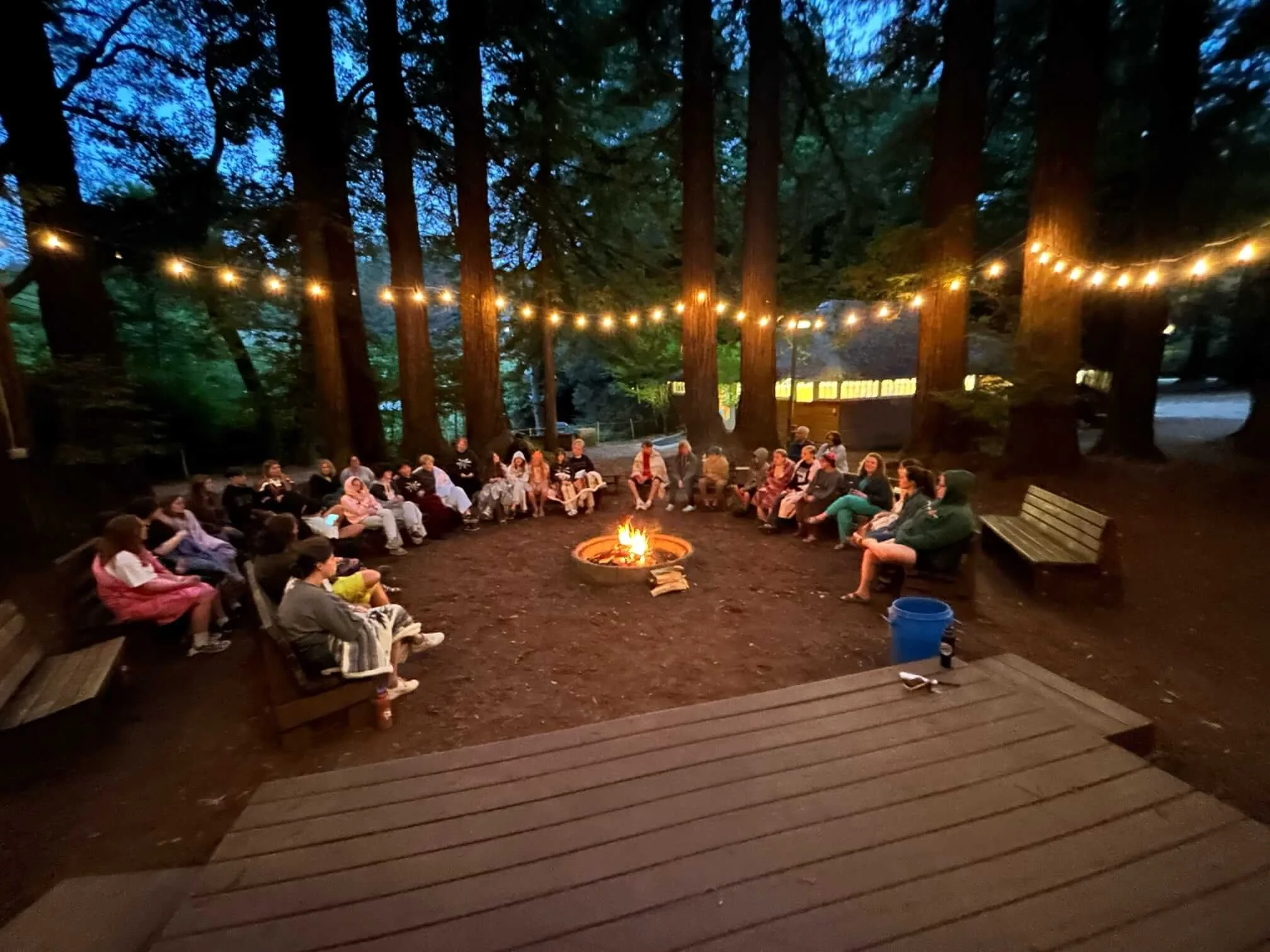
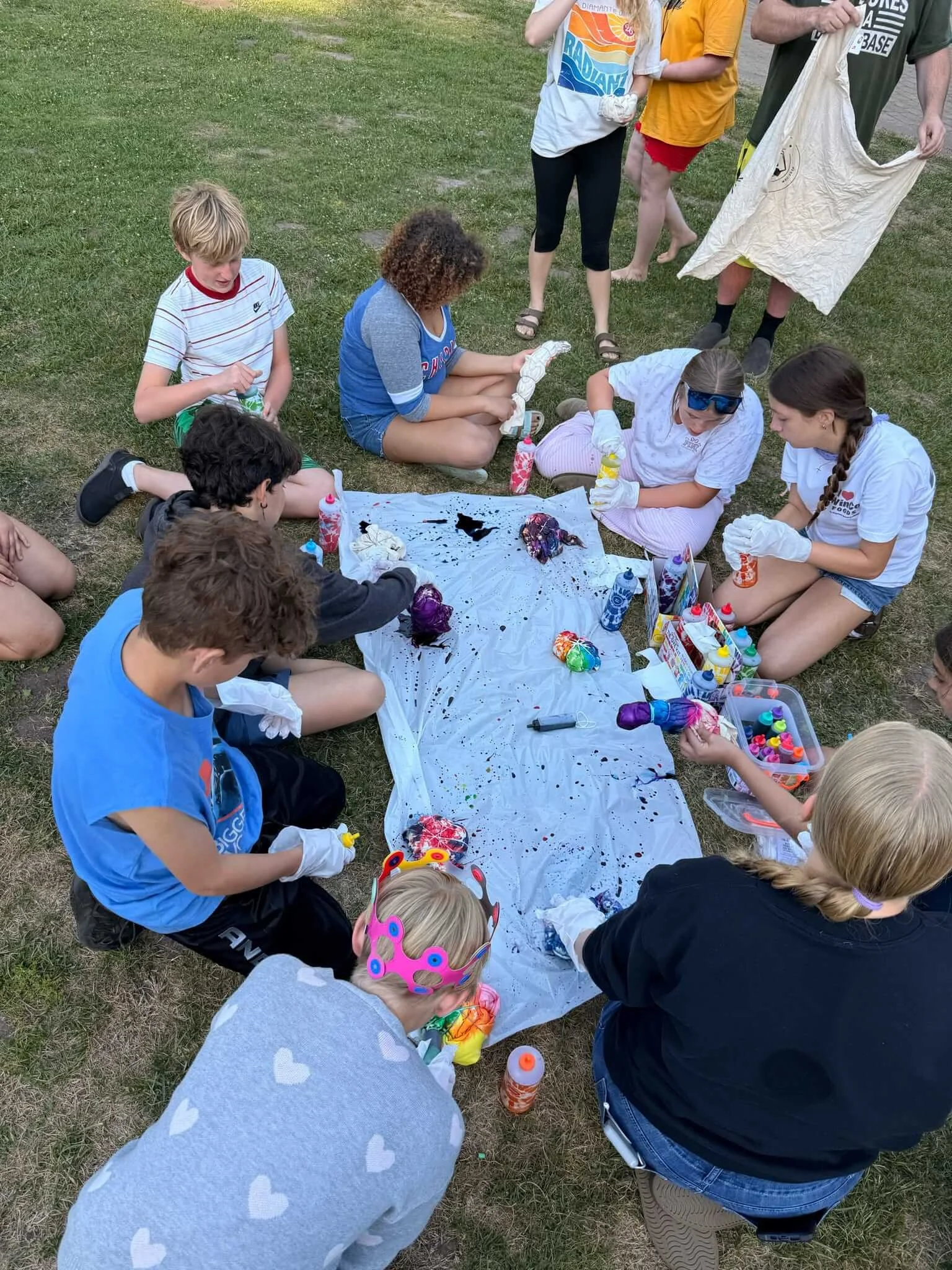
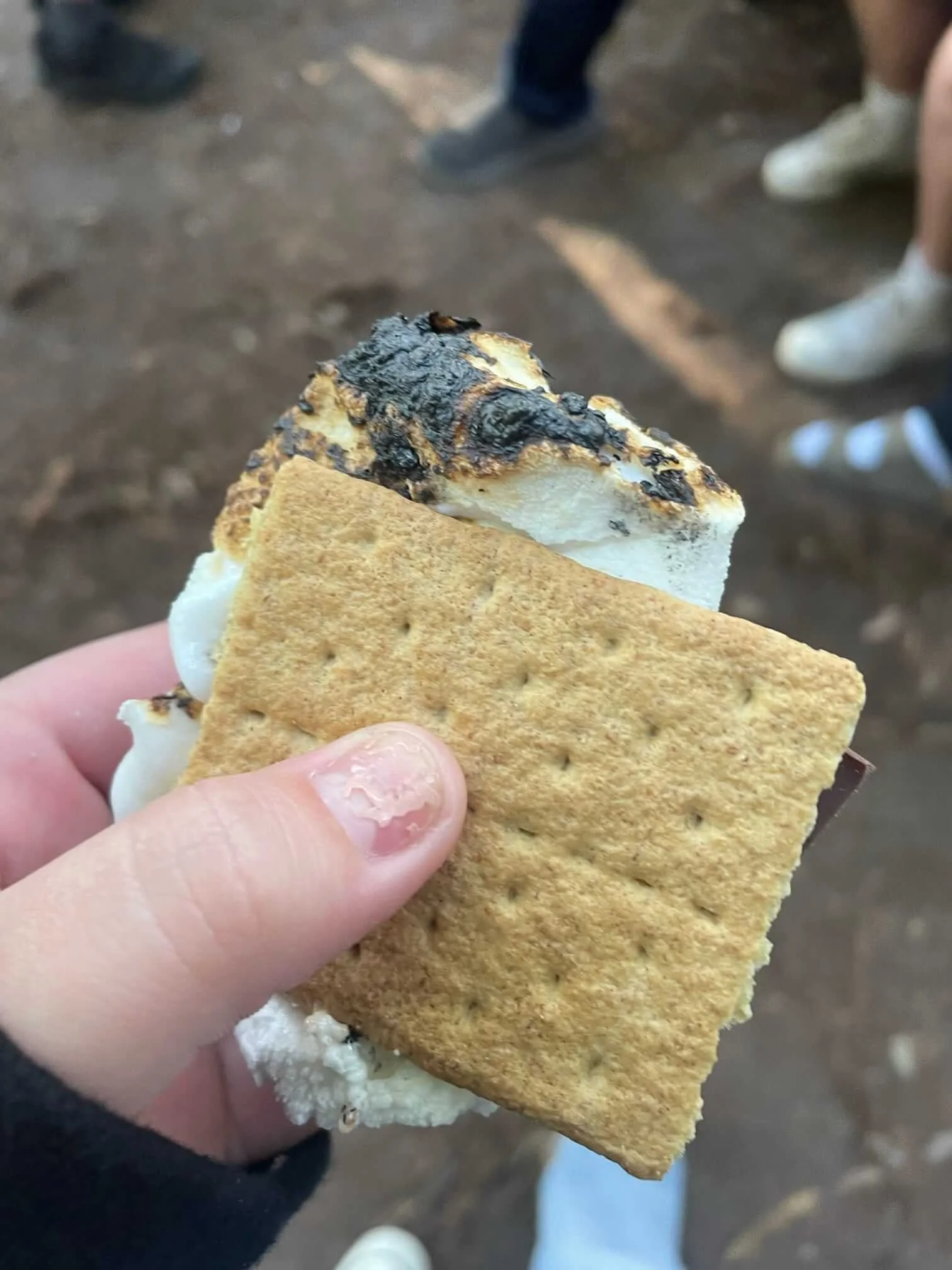
For one week, I watched these students become a genuine community.
The students who might easily have been considered "the cool kids" instinctively included those who were quieter or more reserved. Campers who had arrived not knowing anyone quickly found themselves laughing around the dinner table, playing games together, and encouraging one another during activities. Young people who were still figuring out who they were—including those wrestling with questions about identity—found that there was room for them, too.
Of course, this kind of community doesn't happen by accident.
The camp theme this year was "Love Is a Verb." Throughout the week, campers explored what it means not simply to feel love, but to practice it through welcome, compassion, advocacy, and service.
One activity illustrated this beautifully.
Each team was challenged to recreate a simple drawing, but no one camper had all the information needed to complete the task. Success depended entirely on trust, patience, and cooperation.
Campers worked in teams of three. One camper wore noise-canceling headphones. Another was not allowed to speak but could see the original image. Using only gestures, they communicated with the third camper, who could hear but was blindfolded and had to draw the picture.
The finished drawings rarely looked much like the original. But that wasn't the point. Each camper possessed something the others lacked. Every role mattered, and no one could complete the task alone.
The exercise became a living picture of community itself.
Looking around camp, I was reminded that every camper had arrived with a different story. Each brought unique gifts, different experiences, and their own hopes—and perhaps a few fears as well. By the end of the week, those differences had become part of a shared community.
By the end of the week, many had discovered something that can be surprisingly rare during the middle school years:
They belonged.
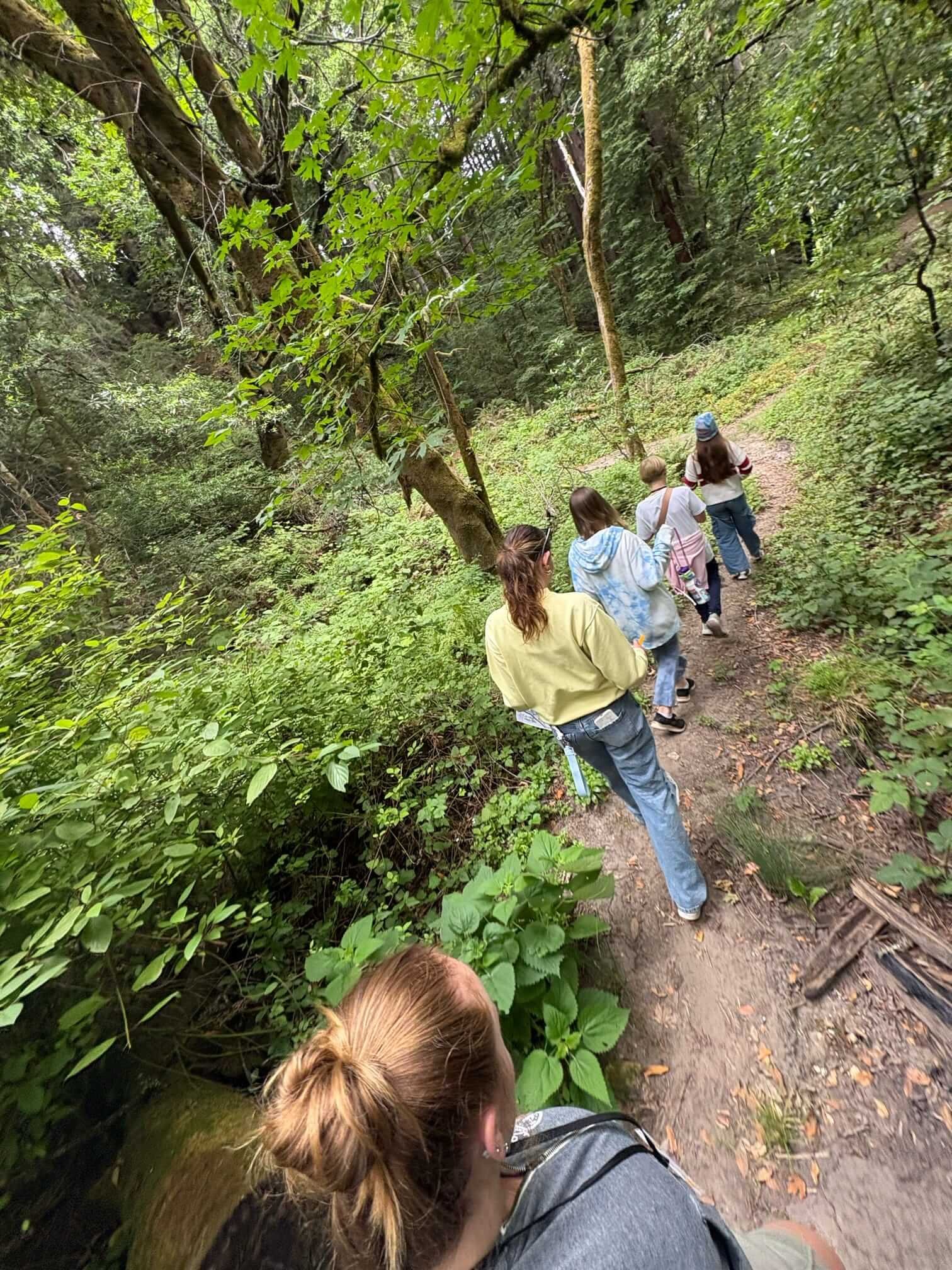
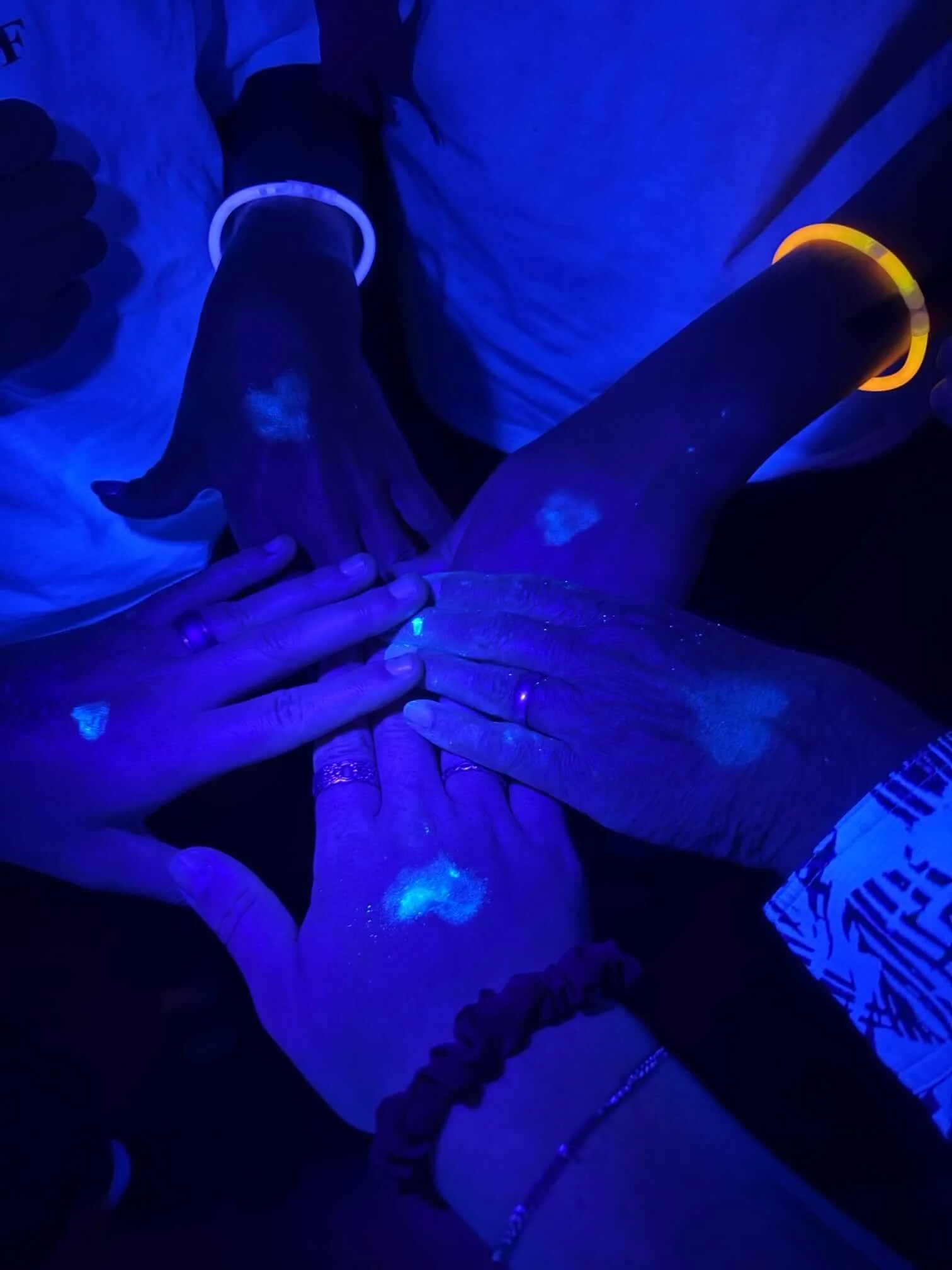
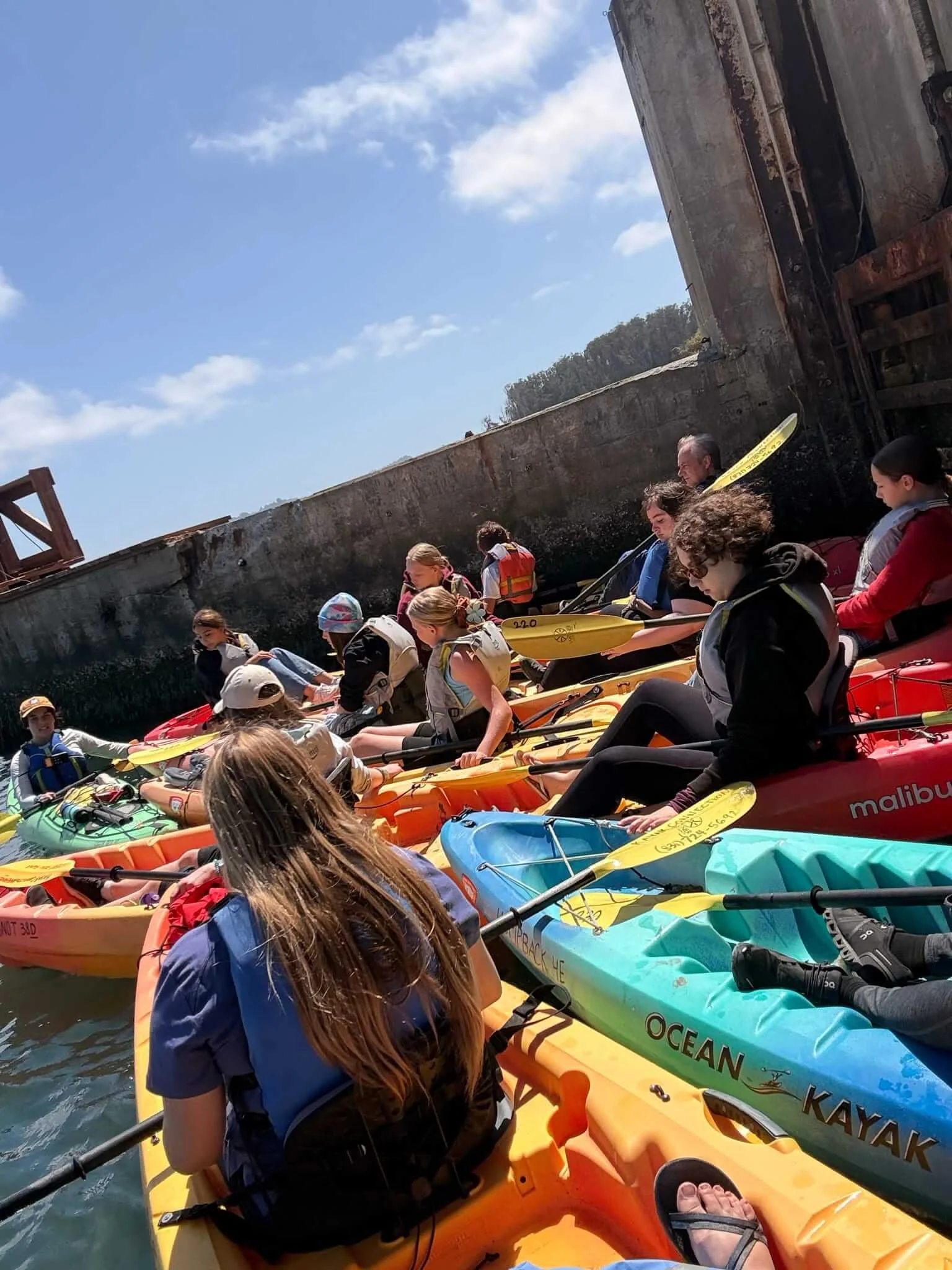
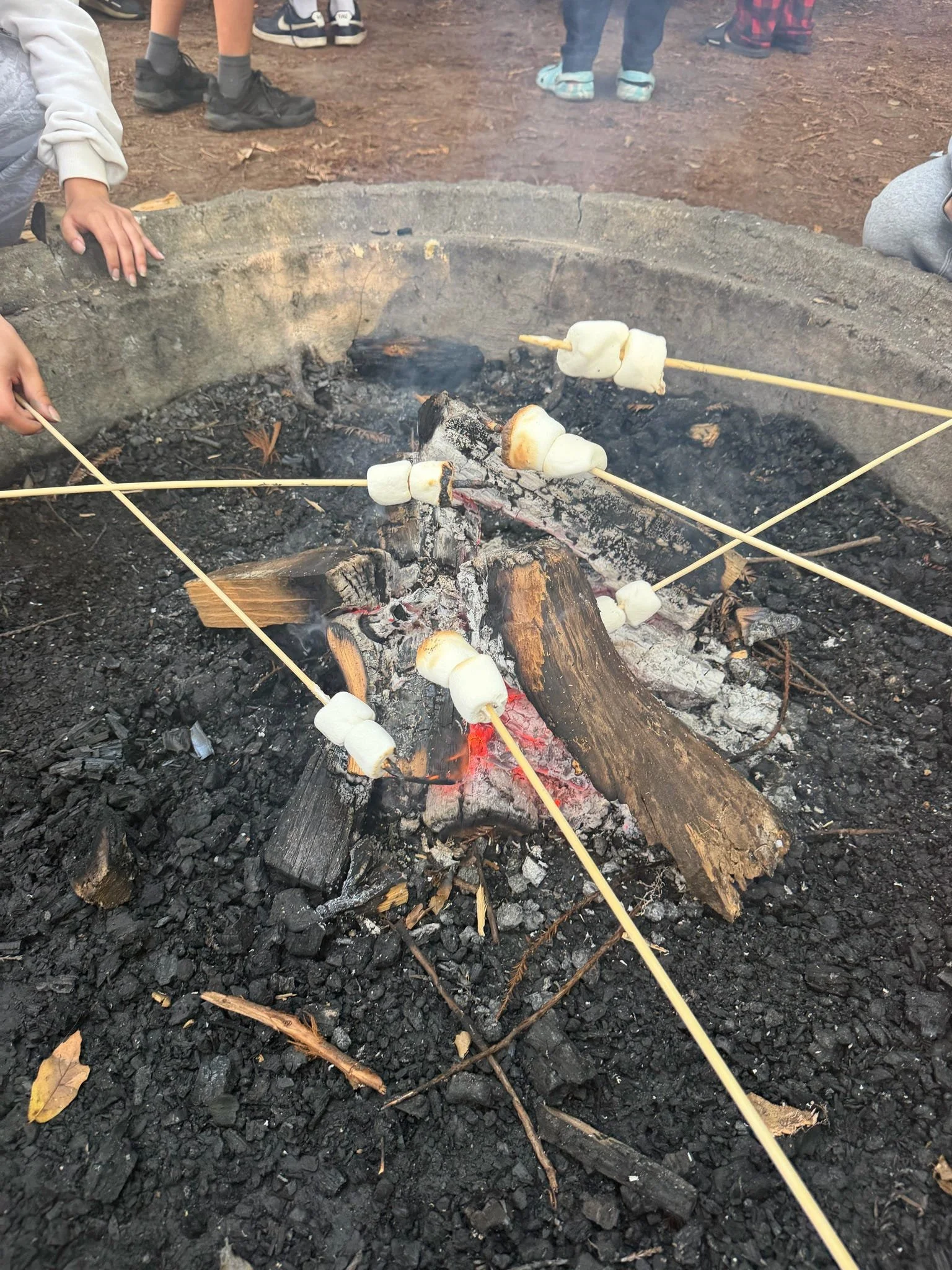
Perhaps that's one of the greatest gifts a middle school camp can offer. Long after the games are forgotten, the songs have faded, and the cabins have been cleaned, young people leave with more than memories. They leave knowing they have a place where they are known, valued, and welcomed—and with a deeper confidence that they, too, have something valuable to contribute.
Within a few days, it no longer felt remarkable that everyone was included. It simply felt normal. New campers had absorbed the culture from returning campers and counselors. Kindness wasn't enforced through rules so much as it was caught through example. Before long, the new campers were extending the same welcome they had first received.
Communities like this don't happen by accident. They are intentionally cultivated, then sustained by the people who become part of them.
Community of Christ has long believed that healthy communities are intentionally built. They grow when people choose welcome over exclusion, compassion over judgment, and community over popularity.
My hope is that these students carry what they experienced back into their schools, neighborhoods, and friendships. Middle school won't suddenly become easy, but perhaps they'll remember what it felt like to belong—and choose to become the person who helps someone else find that same place.
The world doesn't need more exclusive circles.
It needs more tables with room for one more chair.